
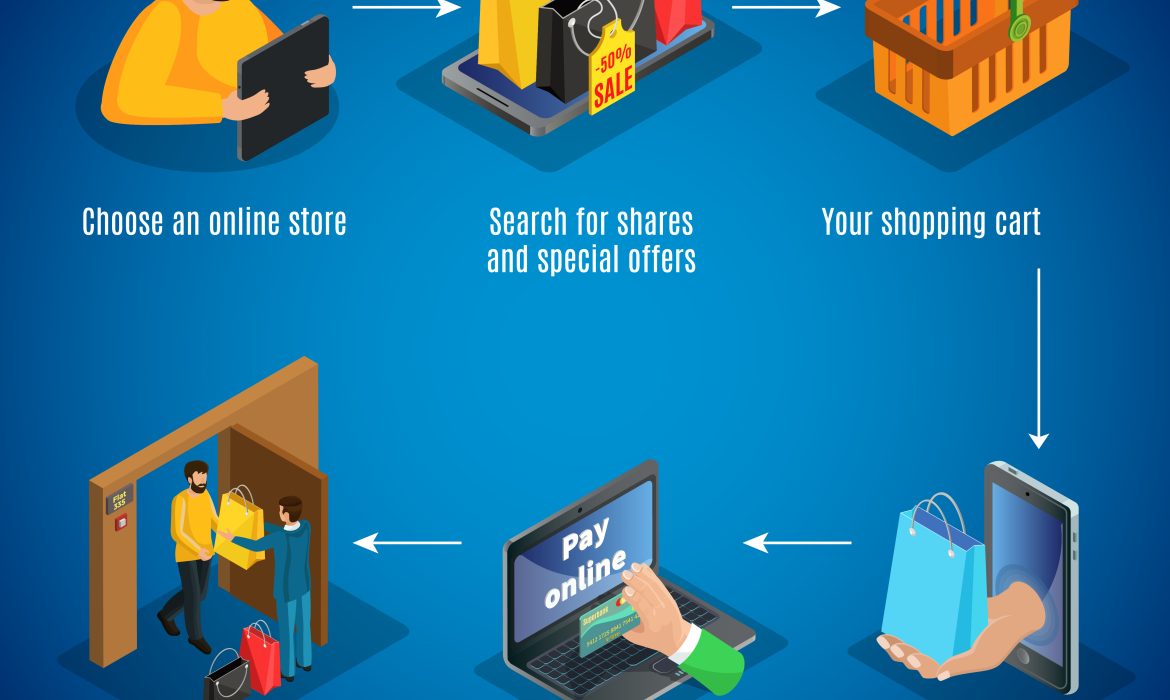
نظام المبيعات
موديول المبيعات داخل Features ERP هو جزء من البرمجيات الشاملة التي تهدف إلى إدارة عمليات المبيعات وتسجيلها بشكل فعّال ومنظم داخل الشركة أو المؤسسة. يهدف هذا الموديول إلى تسهيل عملية متابعة وتنظيم جميع جوانب عمليات البيع، بدءًا من توليد الفواتير وانشاء الطلبيات، وصولًا إلى متابعة حالة المبيعات وتحليل أداء الفريق والمنتجات.
إليك بعض النقاط الرئيسية التي يُقدمها موديول المبيعات داخل نظام Features ERP:

- **إنشاء الفواتير وطلبات البيع**: يتيح للموظفين إنشاء فواتير للعملاء وإصدار طلبات البيع بشكل سلس ومنظم، مما يسهل عملية متابعة العمليات وضمان دقة البيانات.
- **تتبع حالة المبيعات**: يُمكن موديول المبيعات من تتبع حالة كل عملية بيع منذ الطلب وحتى التسليم، مما يسمح للشركة بالتحكم الكامل في عملياتها التجارية وضمان تلبية احتياجات العملاء.
- **إدارة قائمة العملاء**: يتضمن هذا الموديول أدوات لإدارة بيانات العملاء، مثل تفاصيل الاتصال وتاريخ الشراء، مما يسهل على الموظفين التواصل مع العملاء وتلبية متطلباتهم بفعالية أكبر.
- **تحليلات المبيعات والأداء**: يوفر الموديول إمكانية إنشاء تقارير وتحليلات تفصيلية حول أداء الفريق في المبيعات، وذلك من خلال معرفة الإيرادات المحققة، والمنتجات الأكثر مبيعًا، والاتجاهات السوقية، وغيرها من البيانات الهامة التي تساعد في اتخاذ القرارات الاستراتيجية.
- تكامل مع أجزاء أخرى من النظام : يتيح موديول المبيعات التكامل مع أجزاء أخرى من نظام الحسابات مثل المخزون والمحاسبة، مما يسهل عملية تدفق المعلومات داخل الشركة ويقلل من احتمالية الأخطاء والتكرار في البيانات.
باختصار، يعتبر موديول المبيعات داخل نظام Features ERP أداة قوية تسهل عملية إدارة وتتبع عمليات البيع، وتوفر رؤى قيمة للشركة لتحسين أدائها التجاري وتحقيق النمو.

Inventory and warehouse module
An essential part of the Features ERP system for monitoring different items and managing inventory inside the business is the Inventory and Warehouse module. The goal of this module is to make it easier to store and manage products in an organized and effective manner, guaranteeing that there is enough inventory on hand to meet demand from customers and manufacturing specifications.
An outline of the benefits and features of the Inventory and Warehouse module is provided below:

- Inventory management: The module enables the organization to precisely and efficiently monitor inventory by allowing the establishment of a database for all stored products, including technical details, available quantities, and stock levels.
- Item Classification: The module makes it possible to add and organize objects into groups, categories, and other classifications, which facilitates more effective and efficient searching and navigating throughout the inventory.
- Product Lifecycle Management: This module allows inventory updates and the proper disposal of defective or expired products. It also allows tracking of a product’s lifecycle from storage to sale or disposal.
- incoming and Outbound Management: The module may track inventory movement and guarantee profitability by recording incoming and outbound operations from the warehouse, such as receiving goods from suppliers and sending goods to clients.
- Inventory Reports and Analytics: This module helps management make more informed strategic decisions about inventory management by generating reports and analytics on inventory performance, including stock levels, turnover rate, and storage costs.
- Integration with Other System Components: The module enables integration with other Features ERP system components, including accounting and sales, making it easier to coordinate inventory and sales processes and guaranteeing data correctness.
Optimization Statistics
In conclusion, the Features ERP system’s Inventory and Warehouse module is a key component that aims to enhance inventory management and achieve efficacy and efficiency in distribution and storage operations
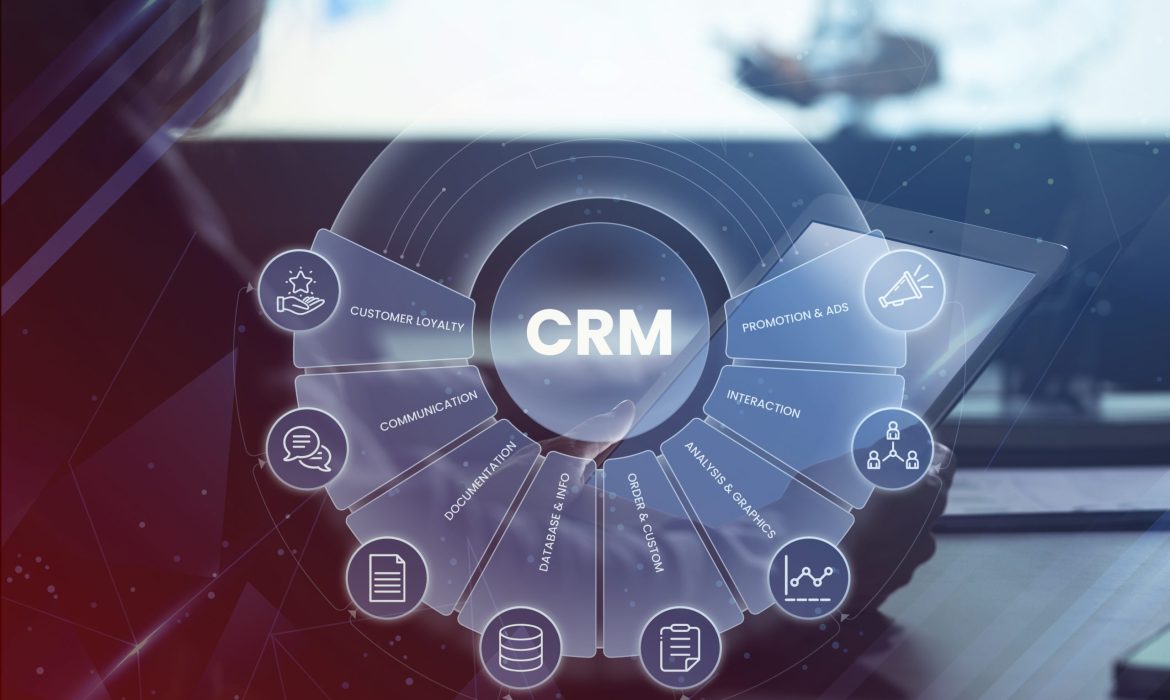
CRM Module
Management of Customer Follow-Up in Features ERP is a suite of tools and activities designed to monitor and analyze how customers engage with the company’s goods and services.
Among these are the following:

- Customer Database (CRM): Information on a customer’s prior purchases, contact preferences, personal characteristics, and other details are stored and arranged using customer relationship management systems.
- Interaction Tracking: Monitoring and evaluating consumer interactions with goods or services, such as their reactions to promotional offers, timetables for communications, and feedback, is known as interaction tracking.
- Support: Assisting clients with technical problems and answers via phone, email, and online chat while keeping track of their questions, concerns, and resolutions.
- Satisfaction Evaluation: Customer satisfaction surveys are carried out, and data is analyzed to determine the degree of satisfaction and pinpoint areas that require improvement.
- Sales Monitoring: Sales monitoring is the process of keeping tabs on each customer’s sales journey, from initial inquiry to final sales.
- Communication management: Keeping in touch with clients on a regular basis via social media, email campaigns, and newsletters to strengthen and preserve the relationship
- Data Analysis: Data analysis is the process of using analytics technologies to comprehend client behavior and anticipate demands so that offers and services may be modified appropriately.
Optimization Statistics
Businesses can boost customer interactions, satisfaction and loyalty rates, and overall business performance by using efficient customer follow-up management.

Fixed Assets Module
The accounting software’s Fixed Assets module in Features ERP is used to track and manage the fixed assets of the business or organization. These assets are meant to be utilized by the company in its business activities and to stay under its control for an extended length of time.
Typically, the following features are included in the Fixed Assets module:

- Asset Recording: This module enables the company to register all of its fixed assets, including buildings, machinery, cars, and other items, and to record information about each asset, including the amount paid, when it was purchased, and the depreciation schedule that was followed.
- Depreciation Management: Using several depreciation techniques, such as double-declining balance or straight-line depreciation, the module allows the computation and monitoring of annual depreciation for each of the fixed assets.
- Financial Reports: The module offers comprehensive financial reports on fixed assets that include recorded depreciation, current value, net value, and any other modifications made to them.
- Maintenance and Asset Repairs: To preserve the value of fixed assets and guarantee their efficacy and safety, the module has the ability to document routine maintenance and repairs made to them.
- Valuations: The module provides functions to update the valuations of fixed assets in the records by periodically evaluating them, either on the basis of accounting value or current market value.
Businesses may effectively track and manage their assets, adhere to accounting rules, and make smart financial decisions based on reliable information about fixed assets by utilizing the Fixed Assets module.
Optimization Statistics
Businesses may effectively track and manage their assets, adhere to accounting rules, and make smart financial decisions based on reliable information about fixed assets by utilizing the Fixed Assets module.

Cost center module
One part of the software used to track and manage costs related to cost centers inside an organization or business is Features ERP’s Cost Centers module.
The goal of cost centers is to give an in-depth picture of the expenses associated with services or production in every division or area of the company.
The module offers a number of features.

- Cost Center Creation: Within the organization, users have the ability to define and build cost centers, then allocate them to various projects or departments.
- Project and Activity Costs: Within the assigned cost centers, it enables the recording of expenses related to certain projects or activities.
- Cost analysis: It offers reports and analyses to assess and track expenses in every cost center, assisting in the formulation of strategic plans and enhancing the productivity of the company.
- Cost Allocation: Cost allocation is the process of allocating shared and overhead expenses among several cost centers in accordance with predetermined guidelines.
- Profitability Analysis: This tool helps users determine which activities or projects are the most profitable by evaluating the profitability of each cost center.
- Budget Monitoring: It helps keep track of each cost center’s budget and monitors expenses while guaranteeing compliance.
Optimization Statistics
In conclusion, the Cost Centers module is essential to the organization’s tracking and management of costs, which helps with financial performance analysis and strategic decision-making.

Reports

The Features module’s Reporting section ERP is a crucial component that offers tools for producing a range of managerial and financial reports using data that is kept in the system.
This module is made to satisfy the demands of users and management who want a thorough understanding and precise analysis of the organization’s financial performance and other activities.
The Reporting module has the following features:

- Creating Financial Reports: Using the accounting data that is already accessible, users can construct financial reports such cash flow statements, balance sheets, and income statements.
- Custom Reports: Users are able to generate reports that are specifically customized to meet their needs. Examples of these reports include operational or cost performance reports for certain projects.
- Report Exporting: You can share reports with colleagues or other parties in a variety of formats, including Excel or PDF files.
- Data Aggregation: The module has the ability to combine data from several organizational sources into thorough reports for integrated study.
- Dashboards and Key Performance Indicators (KPIs): For efficient performance monitoring, it provides a visual report and dashboard presentation of important data and core indicators.
- Prediction Reports: To help with decision-making in the future, the module may have tools for generating prediction reports based on historical data.
Optimization Statistics
The Reporting module is regarded as a potent tool for handling financial data and giving strategic leaders and decision-makers the knowledge they need to make wise choices and enhance organizational performance.

Manufacturing module
It is an essential part of Features ERP, which is used to oversee production and manufacturing processes.
The goal of this system is to offer a variety of features and tools that assist businesses in efficiently planning, directing, and enhancing their production operations.
The manufacturing system has the following features:

- Production Line Management: With the system, businesses may plan, schedule, track, and detect production bottlenecks as well as manage and keep an eye on various manufacturing lines’ production activities.
- Manufacturing Cost Determination: The system makes it possible to precisely assess the costs associated with producing a product by analyzing the costs of the manufacturing process, which includes labor, raw material costs, and operating expenses.
- Resource Management: The system analyzes how different resources, including labor, materials, and equipment, are used in industrial processes and makes it possible to allocate them effectively.
- Reports and Analytics: The system helps businesses evaluate performance and pinpoint areas for improvement by offering a variety of reports and analytics on the efficiency of industrial activities.
- Monitoring of Quality: The system makes it possible to keep track of the quality of processes and products, put such procedures into place, and keep improving them.
Optimization Statistics
In brief, the manufacturing system plays a crucial role in the Features ERP system, assisting businesses in optimizing manufacturing processes and raising production quality and efficiency.

General Ledger module
The accounting system in Features ERP is regarded as a crucial and all-inclusive component meant to manage and arrange the fundamental data of the business as a whole.
Businesses can handle a variety of data with this system, including information on customers, suppliers, employees, accounts, assets, inventory, departments, branches, and other essential data about their operations.
The general ledger and accounting systems’ features include
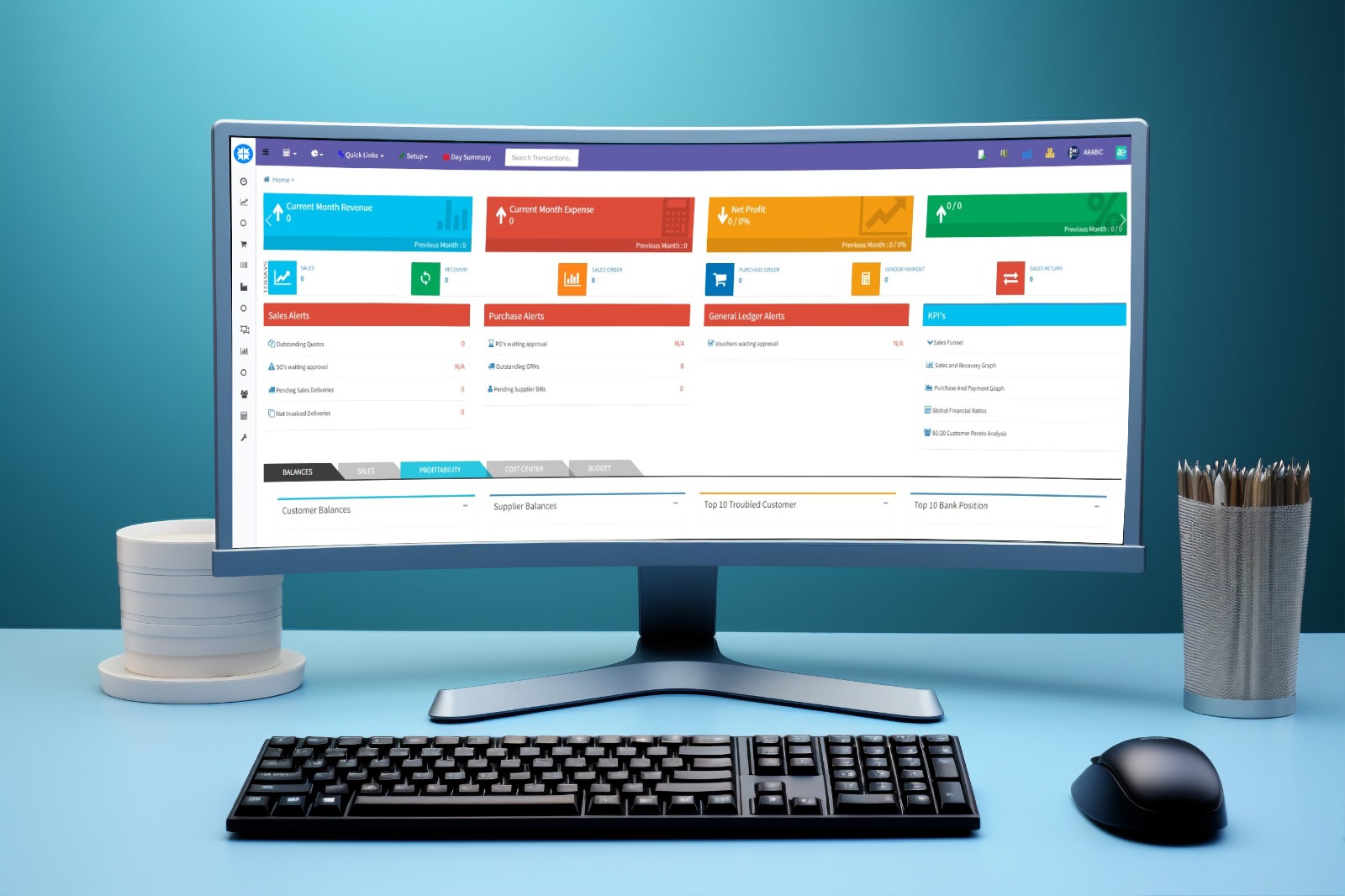
- Customer and Supplier Data Management: Data management for customers and suppliers allows businesses to keep track of and manage data about customers and suppliers, including addresses, phone numbers, terms of payment, and transaction histories.
- Employee Data Management: Employers are able to keep track of and record employee data, including compensation, bonuses, and personal and work-related information.
- Management of Accounts and Banking: The system makes it possible to keep track of different financial transactions and record financial and banking accounts.
- Asset and Inventory Management: Businesses are able to precisely track and document their available inventory as well as their fixed assets.
- Department and Branch Management: The system allows data to be arranged hierarchically and allows for the management of department and branch data.
Optimization Statistics
In conclusion, the general ledger and accounting system plays a crucial role in the Features ERP system since it helps to efficiently organize and manage the company’s essential data.

Human resources module
One crucial element of Features ERP that helps manage and arrange all employee-related procedures and data is the Human Resources (HR) system. With a variety of tools and features, this system helps businesses to efficiently and centrally oversee the day-to-day operations of the HR department.
These features include:
- Employee Management: Employers are able to keep track of personal and professional information about their staff members, including name, date of hire, credentials, and prior experiences.
- Payroll and Benefits Management: Businesses are able to oversee the entire payroll lifecycle, which includes figuring out how much to pay employees as well as bonuses, incentives, and extra benefits.
- Management of Attendance and Leave: Employers are able to keep tabs on absences, check employee attendance, and oversee vacation time.
- Recruitment and Performance Management: Organizations are able to publish job openings, oversee the hiring process, assess worker performance, and create training programs.
- HR Resource Management: The system makes it possible to analyze and generate reports on HR resources and human performance, which aids businesses in making the best strategic choices.

Processing of payroll inside Features ERP plays a significant role in the management and processing of the company’s employee payroll activities. Payroll and salary management are made easier for businesses by this system, which makes it possible to compute, update, and issue payroll statements quickly and accurately.
Features of payroll include:
- Employee Data Management: The system makes it possible to capture and update employee data, including rewards, work history, personal information, and job-related data.
- Payroll Calculation and Deductions: Based on a number of variables, including base pay, additions, incentives, and deductions, the system is able to compute salaries and wages.
- Payroll Statement Generation: The system makes it possible to create and issue payroll statements for workers on a timely and regular basis, which facilitates the distribution of salaries and the provision of information to workers.
- Payroll Reports and Analysis: To assist the business in understanding expenditure trends and making wise financial decisions, the system can produce a variety of reports on payroll information, salaries, and financial data.
- Legal Compliance: With regard to payroll, taxes, and social insurance, the system helps ensure that local, national, and international laws and regulations are followed.
Optimization Statistics
In conclusion, the Features ERP Human Resources system plays a critical role in successfully and fully managing the day-to-day activities of staff members and accomplishing the organization’s HRM objectives.

Satisfied Hipster Girl

From the designers and engineers who are creating the next generation of web and mobile experiences, to anyone putting a website together for the first time. We provide elegant solutions that set new standards for online publishing.
Digital technology has made our world more transparent and interconnected, posing new challenges and opportunities for every business. A holistic, user-centric perspective is what truly sets one apart.

How We Work
From the designers and engineers who are creating the next generation of web and mobile experiences, to anyone putting a website together for the first time. We provide elegant solutions that set new standards for online publishing.
Digital technology has made our world more transparent and interconnected, posing new challenges and opportunities for every business. A holistic, user-centric perspective is what truly sets one apart.
Optimization Statistics
From the designers and engineers who are creating the next generation of web and mobile experiences, to anyone putting a website together for the first time. We provide elegant solutions that set new standards for online publishing.
Digital technology has made our world more transparent and interconnected, posing new challenges and opportunities for every business. A holistic, user-centric perspective is what truly sets one apart. together for the first time. We provide elegant solutions.
From the designers and engineers who are creating the next generation of web and mobile experiences, to anyone putting a website together for the first time. We provide elegant solutions that set new standards for online publishing.
We Will Be Useful to You
From the designers and engineers who are creating the next generation of web and mobile experiences, to anyone putting a website together for the first time.
Digital technology has made our world more transparent and interconnected, posing new challenges and opportunities for every business. As your budget progresses and evolves, continue referring to your SMART objectives. Stay focused and remember your goals – they will always inform what your next step will be!
From the designers and engineers who are creating the next generation of web and mobile experiences, to anyone putting a website together for the first time. We provide elegant solutions that set new standards for online publishing.
As your budget progresses and evolves, continue referring to your SMART objectives. Stay focused and remember your goals – they will always inform what your next step will be!


